
Our teachers
Our teachers come from a variety of backgrounds and count a varied and rich life experience - including academics, former Buddhist monks and nuns, practicing psychotherapists, mindfulness trainers, authors, poets and more.
Each teacher offers their own contemplative approach, and they often teach alongside each other, so that there is diversity of thought, interpretation and experience in our courses.
They also come equipped with a sense of humour (!), have been known to debate with each other, and offer a practical and down-to-earth view of what the teachings mean for us all in modern day life.
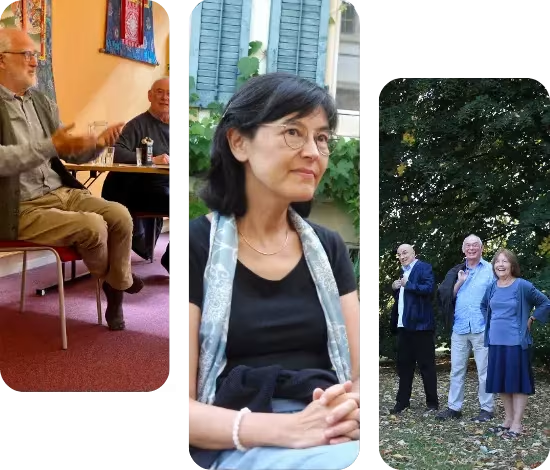
Core Faculty

CHRISTINA FELDMAN
CHRISTINA FELDMAN is a co-founder of Gaia House and a guiding teacher at Insight Meditation Society, Barre, Massachussetts. The author of a number of books, she has been teaching insight meditation retreats internationally since 1976. She is one of the teaching faculty of the CPP programme, dedicated to the study and application of the early teachings of the Buddha and is engaged in teaching the Buddhist psychological foundations of mindfulness to those training to teach mindfulness-based applications in England, Belgium and the Netherlands. Her most recent book Mindfulness: Ancient Wisdom Meets Modern Psychology, written with Willem Kuyken, was published in the summer of 2019.
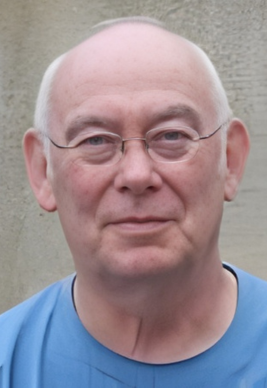
JOHN PEACOCK
JOHN PEACOCK is both an academic and a Buddhist practitioner of nearly fifty years. Trained initially in the Tibetan Gelugpa tradition in India, he subsequently spent time in Sri Lanka studying Theravada. After doing a doctorate in philosophy, he taught Buddhist and Western philosophy and then Buddhist Studies at the University of Bristol. He went on to be Associate Director of the Oxford Mindfulness Centre, co-direct the Master of Studies programme in Mindfulness-based Cognitive Therapy (MBCT) at Oxford University, and teach Buddhist psychology on the same course. John is now retired from academia and continues to teach meditation, as he has done for more than thirty-five years.

MARTINE BATCHELOR
MARTINE BATCHELOR author of Meditation for Life, The Path of Compassion, Women in Korean Zen and Let Go: A Buddhist Guide to Breaking Free of Habits. Her latest works are the The Spirit of the Buddha, What is this? and The Definition, Practice and Psychology of Vedana. She is a member of the Gaia House Teacher Council. She teaches meditation retreats worldwide and lives in France. Recently she has been involved with the Silver Sante Study, teaching meditation, mindfulness and compassion to seniors in France to see if this could prevent ageing decline.
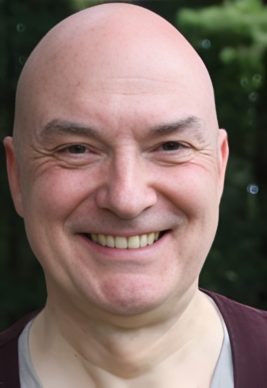
AKINCANO M. WEBER
AKINCANO M. WEBER is a European Buddhist teacher and psychotherapist (MA). A former monk, he has lived and practised for 20 years in European and Thai Forest monasteries. His particular interests are early Buddhist texts, stillness and contemplative psychology. He is the guiding teacher of Atammaya Cologne, Germany, part of the CPP programme and of several Mindfulness teacher training courses, and teaches meditation and Buddhist Psychology in secular and traditional contexts in Europe and overseas.
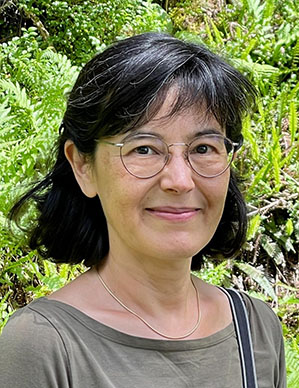
YUKA NAKAMURA
YUKA NAKAMURA has practised Buddhist meditation in different traditions since 1993, has a PhD in Developmental Psychology and is a certified MBSR-teacher. Trained as a Buddhist meditation teacher by Fred von Allmen she teaches meditation at Beatenberg (Switzerland), Gaia House (UK), Insight Meditation Society (Barre, MA) and other places. Yuka offers MBSR-courses and MBI-trainings at the CFM Zentrum für Achtsamkeit (CH).
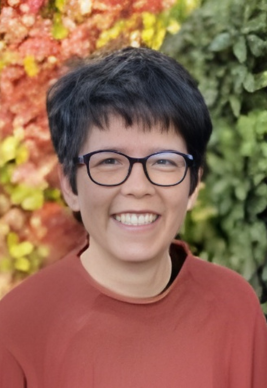
JAYA RUDGARD
JAYA RUDGARD began meditating in the 1980s and practised for eight years as a nun in the Thai Forest tradition in England with Ven. Ajahn Sumedho as her teacher. She later trained to teach at Insight Meditation Society and Spirit Rock in the US and continues to teach Insight Meditation at these centres, at home in the UK and internationally. She is a member of the Gaia House Teacher Council. Jaya also teaches qigong.
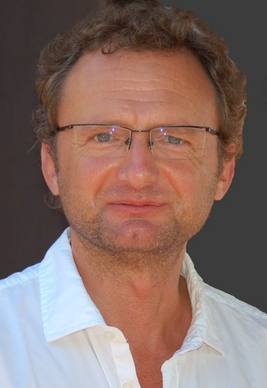
CHRISTOPH KÖCK
CHRISTOPH KÖCK was born in Vienna, Austria, and spent 17 years of his life as a Buddhist monk in the Theravadin tradition.He lived mainly in monasteries connected with Ajahn Chah in Thailand and the West. Currently he lives in Vienna, working as a psychotherapist in a private practice. He teaches Buddhism and meditation internationally, and is trained to teach MBSR and MBCT.
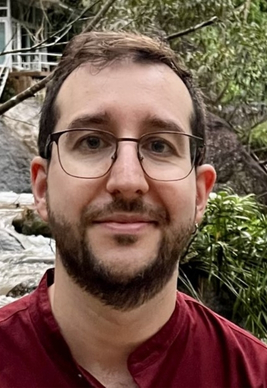
BERNAT FONT
BERNAT FONT teaches with a combination of scholarly rigour, everyday examples, and a playful sensibility. He met the Dharma at a very early age, and has been mainly influenced by Stephen Batchelor, Sayadaw U Tejaniya & the Thai Forest tradition. A founder of Espai Sati in Barcelona, he has a PhD in Buddhist Studies, translates Pali texts into Catalan and Spanish, and is also a jazz pianist.
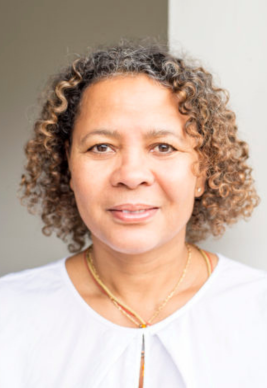
ANTONIA SUMBUNDU
ANTONIA SUMBUNDU has been a Tibetan Buddhist and mindfulness meditation practitioner for more than 30 years. She trained as a clinical psychologist specialized in CBT and supervision, and completed an MSt in MBCT from University of Oxford, where she currently is a senior associate trainer. For many years her work focused on the clinical applications of meditation, before shifting to teach meditation in a broader context and serving as a dharma teacher for an international meditation community.

RIVER WOLTON
RIVER WOLTON began attending Insight Meditation retreats in 2000, and subsequently helped to establish Sheffield Insight Meditation. She completed Dharma Teacher Training with Bodhi College, is a regular teacher at Gaia House, and a Bodhi College faculty member. A former Derbyshire Poet Laureate, she has led arts projects for many years and is an activist in the LGBTQIA+ community. Her latest non-fiction book is a creative exploration of the Brahma Viharas as an antidote to burnout: The Subtle Art of Caring: A Guide to Sustaining Compassion (Windhorse Publications 2023).
Our Teachers Share: We asked our core faculty a few questions about their lives and here is what they responded.
Guest faculty
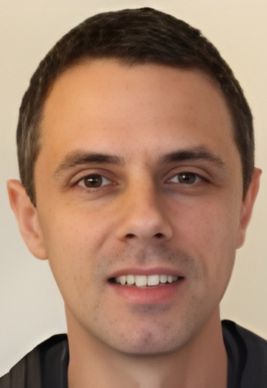
JAKE DARTINGTON
JAKE DARTINGTON has practised Buddhist meditation since 1995. After training as a Dharma teacher with Christina Feldman, he started teaching in 2007. He has a background in Philosophy and Buddhist Studies and has trained as a teacher of MBSR/MBCT. Jake lives in Nottingham where he teaches mindfulness and Insight Meditation.
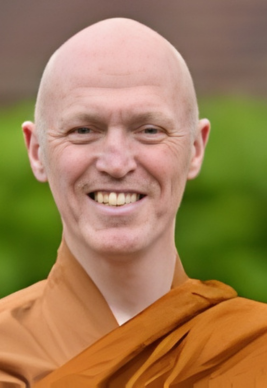
AJAHN SUCITTO
AJAHN SUCITTO was born in London; he entered monastic life in Thailand in 1975 and since 1978 has lived in Britain. He has been teaching Dhamma since 1980, both in meditation retreats and in talks given regularly in monasteries. He has written a number of books and teaches worldwide. Since 1992 he has been the Sanghathera and senior incumbent of Cittaviveka monastery in West Sussex. Blog: Reflections
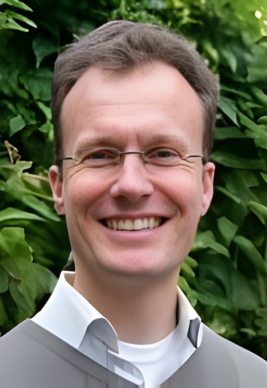
CHRIS CULLEN
CHRIS CULLEN has practised and studied the Buddha's teachings since 1994 and has been teaching Insight Meditation retreats since 2010. He is also on the teaching team of the University of Oxford’s Mindfulness Centre, teaching Buddhist Psychology on the Masters course in Mindfulness-Based Cognitive Therapy and running the mindfulness programme in the UK Parliament. He has a psychotherapy practice in Oxford.
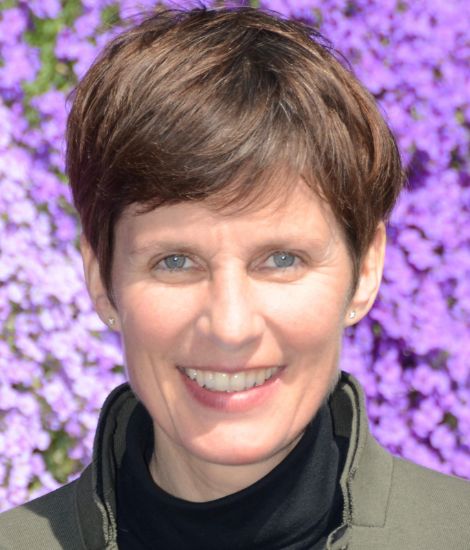
SOPHIE BOYER
SOPHIE BOYER has been practicing meditation for 25 years during her time providing nursing care. After years spent in hospices, she spent 2 years in Myanmar as a Buddhist nun. She has been trained under the guidance of Martine Batchelor and completed the Bodhi College Dharma Teacher Training. She is also a MBCAS (mindfulness based cognitive approach for seniors), and MBEC (mindfulness based elder care) instructor. She currently offers meditation sessions for an oncology ward in Geneva and mainly offers retreats in France.
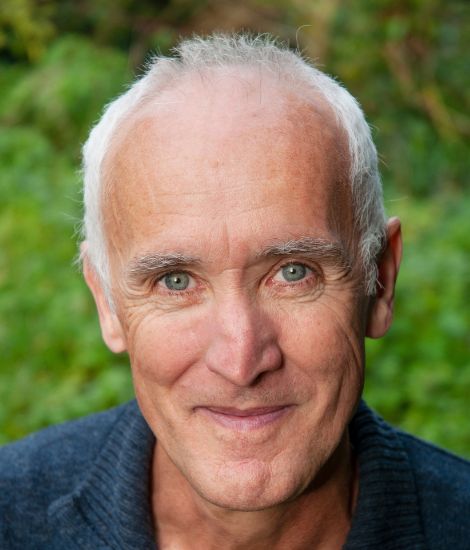
TONY O'CONNOR
TONY O'CONNOR has been practicing meditation since the mid 90's in both the Insight Meditation and Korean Seon traditions. He trained as a Dharma teacher under the guidance of Martine Batchelor and completed the Bodhi College Dharma Teacher Training Programme. He is interested in exploring how Dharma teachings can be integrated into our daily lives and help us creatively engage with the issues of our time.
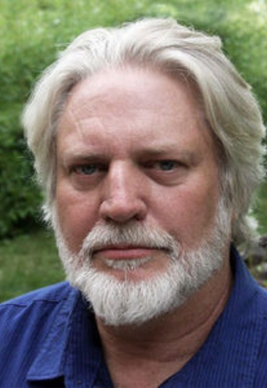
ANDREW OLENDZKI, PhD
ANDREW OLENDZKI, PhD was trained in Buddhist Studies at Lancaster University in England, as well as at Harvard and the University of Sri Lanka. The former executive director of the Insight Meditation Society (IMS) and of the Barre Center for Buddhist Studies (BCBS) in Barre, Massachusetts, and executive editor of the "Insight Journal," he is now professor at Lesley University in Cambridge, MA.
Teacher Emeritus
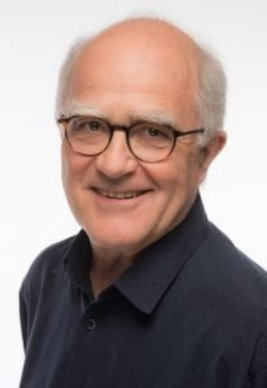
STEPHEN BATCHELOR
STEPHEN BATCHELOR is a translator, teacher, artist and writer known for his secular approach to the Dharma. A co-founder of Bodhi College, his books include Buddhism Without Beliefs, Living with the Devil, Confession of a Buddhist Atheist and After Buddhism. His most recent publication, The Art of Solitude, was published by Yale University Press in 2020. He lives in southwest France with his wife Martine.
Teachers trained by Bodhi College

Bodhi College
A list of teachers who completed our most recent teacher training (ending 2022) can be found here.
Meditation Teacher’s Code of Ethics
The five precepts of non-harming are a vehicle for our happiness, a vehicle for our good fortune, a vehicle for the liberation of all beings.
1. We undertake the precept of refraining from killing.
In undertaking this precept we acknowledge the interconnection of all beings and our respect for all life. We agree to refine our understanding of not killing and non-harming in all our actions. We seek to understand the implications of this precept in such difficult areas as abortion, euthanasia and the killing of pets. While some of us recommend vegetarianism and others do not, we all commit ourselves to fulfilling this precept in the spirit of reverence for life.
2. We undertake the precept of refraining from stealing.
We agree to not take that which does not belong to us and to respect the property of others. We agree to bring consciousness to the use of all the earth’s resources in a respectful and ecological way. We agree to be honest in our dealing with money and not to misappropriate money committed to Dharma projects. We agree to offer teachings without favouritism in regard to students’ financial circumstances.
3. We undertake the precept of refraining from sexual misconduct.
We agree to avoid creating harm through sexuality and to avoid sexual exploitation or adultery. Teachers with vows of celibacy will live according to their vows. Married Teachers will honour their vows and refrain from adultery. All teachers agree not to use their teaching role to exploit their authority and position in order to assume a sexual relationship with a student.
Because several single teachers in our community have developed partnerships and marriages with former students, we acknowledge that such a healthy relationship is possible, but that great care and sensitivity are needed.
We agree that in this case the following guidelines are crucial:
- A sexual relationship is never appropriate between teachers and students.
- During retreats of formal teaching, any intimation of future teacher-student romantic or sexual relationship is inappropriate.
- If interest is genuine and a committed relationship develops over time between a single teacher and a student, the student-teacher relationship must clearly and consciously have ended before any further development toward a romantic relationship. Such a relationship must be approached with restraint and sensitivity – in no case should it occur immediately after a retreat. A minimum time period of three months or longer from the last formal teaching between them, and a clear understanding from both parties that the student-teacher relationship has ended must be coupled with a conscious commitment to enter into a relationship that brings no harm to either party.
4. We undertake the precept of refraining from false speech.
We agree to speak that which is true and useful and to refrain from gossip in our community. We agree to hold in confidence what is explicitly told to us in confidence. We agree to cultivate conscious and clear communication, and to cultivate the quality of lovingkindnesss and honesty as the basis of our speech. We refrain from statements that devalue other meditation traditions, people, ethnicities or religions.
5. We undertake the precept of refraining from intoxicants that cause heedlessness or loss of awareness.
It is clear that substance abuse is the cause of tremendous suffering. We agreed that there should be no use of intoxicants during retreats or while on retreat premises. We agree to not abuse or misuse intoxicants at any time. We agree that if any teacher has a drug or alcohol addiction problem, it should be immediately addressed by the community.
The five precepts of non-harming are a vehicle for our happiness, a vehicle for our good fortune, a vehicle for the liberation of all beings.
Adapted from Insight Meditation Centre, MA